
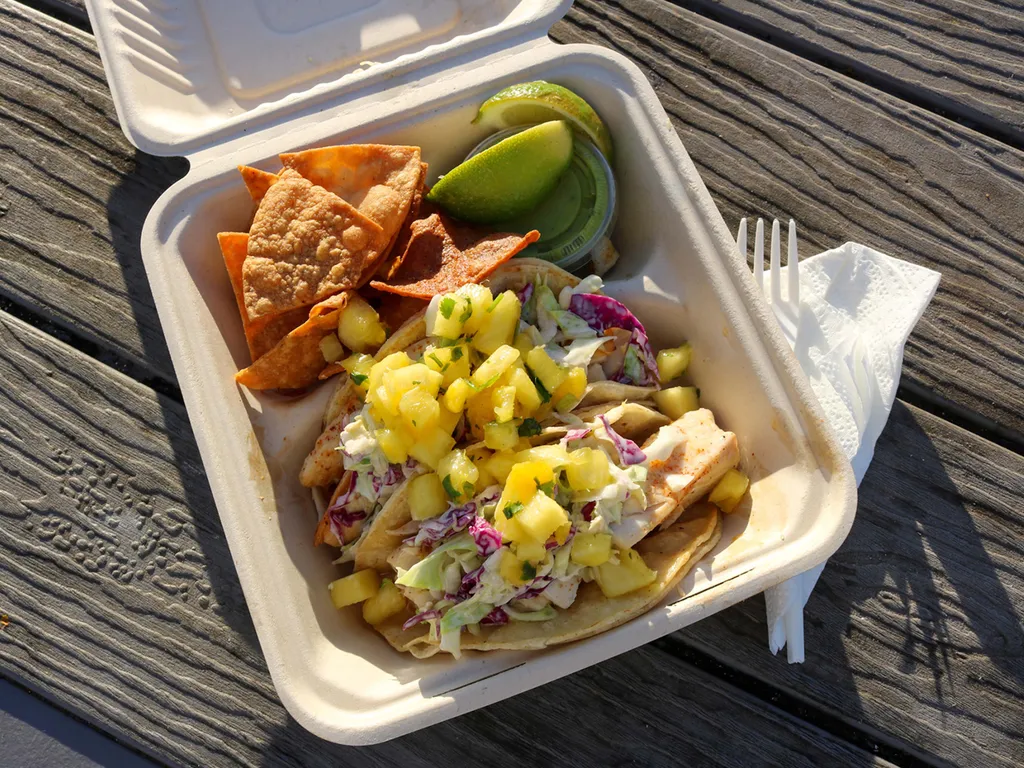
While Maui is known for fresh seafood and incredible restaurants, one of the best ways to experience the island is through its cuisine. From traditional Hawaiian dishes like poi and laulau to local favorites like loco moco and Spam musubi, every meal tells part of Hawaii's story.
What is Traditional Hawaiian Food?
Traditional Hawaiian food is a blend of Polynesian and Asian influences, with some American touches from Hawaii’s plantation era, rooted in the resources first cultivated and gathered by the Kanaka Maoli (Native Hawaiians), who thrived on taro, sweet potatoes, coconuts, fish, seaweed, and shellfish from both the land and sea. Often described as “fish and poi,” this cuisine reflects generations of island life and community, and experiencing it offers more than a great meal—it’s a meaningful connection to Hawaii’s culture, history, and spirit of ‘ohana through your sense of taste.
To get you in the mood, listen to Hawaii’s iconic “Fish and Poi” song that celebrates the local food culture.
Traditional Hawaiian Foods You’ll Find in Maui
Poi: A true Hawaiian staple, poi is made by pounding boiled taro root with water into a smooth, velvety consistency—celebrated not only for its cultural significance but also as one of the most nutritious starches on the planet.
Kalua Pig: Slow-cooked to tender perfection, then shredded, Kalua pork is a smoky, savory Hawaiian favorite traditionally prepared in an underground imu (oven), made with simple ingredients like pork shoulder, Hawaiian sea salt, and liquid smoke—an iconic dish at every luau.
Lomi Lomi Salmon: A fresh and flavorful side dish made with salted salmon, tomatoes, and green onions, lomi lomi salmon delivers a salty, savory bite that perfectly balances the mild, slightly tangy taste of poi, making it a must-have at any traditional Hawaiian meal or luau.
Laulau: Succulent pork or tender fish (typically butterfish or cod) is seasoned with sea salt, wrapped in nutrient-rich taro (luʻau leaves) and ti leaves, then steamed to create a savory, smoky, melt-in-your-mouth dish.
Squid Luau: Tender squid (or octopus) simmered in coconut milk and taro leaves, this savory, creamy, and mildly sweet stew-like dish is a traditional Hawaiian favorite, often served over rice and considered an essential part of a proper luau plate. The flavor is uniquely delicious!
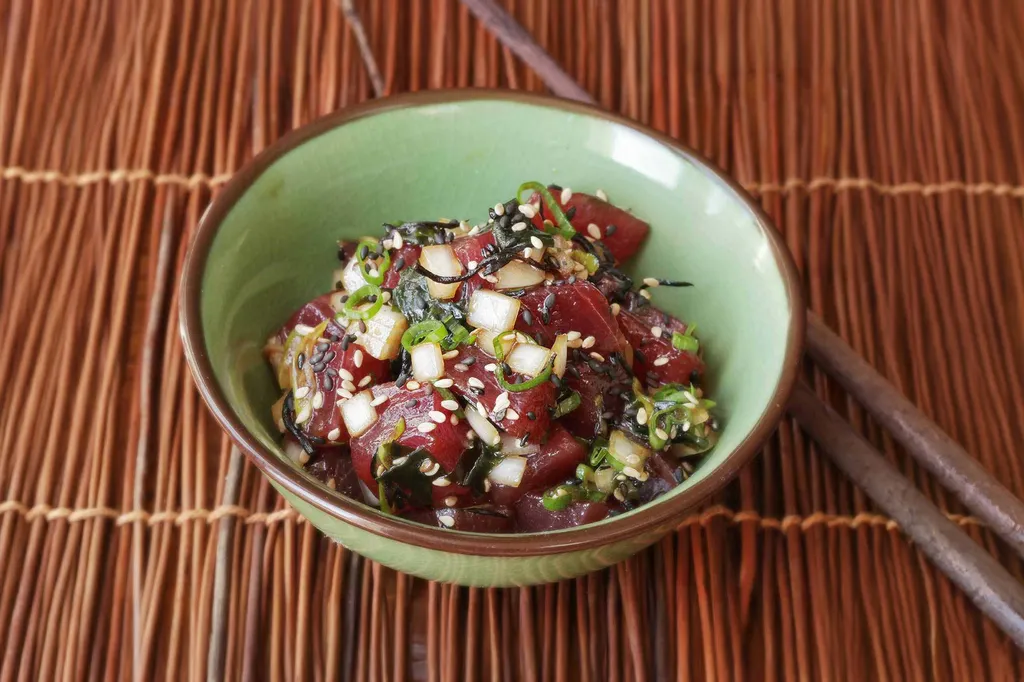
Poke: Rooted in native Hawaiian tradition, poke features cubes of sushi-grade raw fish marinated with seaweed, sea salt, and inamona (roasted kukui nut). It’s now enjoyed in a variety of flavors as a pupu or served over rice with Asian-inspired sauces.
Local Hawaiian Favorites You Must Try
Huli-Huli Chicken: Huli-Huli (meaning to turn-turn) chicken is a popular island favorite with a perfect balance of sweet (pineapple juice, brown sugar) and savory (soy sauce, garlic, ginger), finished with a smoky grilled flavor and often found cooking on a spit at roadside stands where its irresistible aroma draws you in before you even see it.
Chicken Long Rice: Brought by Chinese immigrants during the plantation era, chicken long rice evolved into a beloved local comfort dish of shredded chicken, ginger, green onions, and noodles in a flavorful broth, known for soothing the body and soul.
Pipikaula: Historically made by Paniolo (Hawaiian cowboys), pipikaula (beef rope) is a semi-dried, salted beef similar to jerky but more tender, marinated in soy sauce, ginger, and garlic, then dried and typically pan-fried or grilled as a popular appetizer.
Spam Musubi: One of Hawaii’s favorite grab-and-go foods, Spam musubi combines Japanese onigiri tradition with American Spam, featuring a slice of grilled, soy-glazed Spam atop a block of seasoned rice and wrapped in nori (seaweed). This simple yet flavorful food rose in popularity after WWII and is enjoyed across the Hawaiian islands.
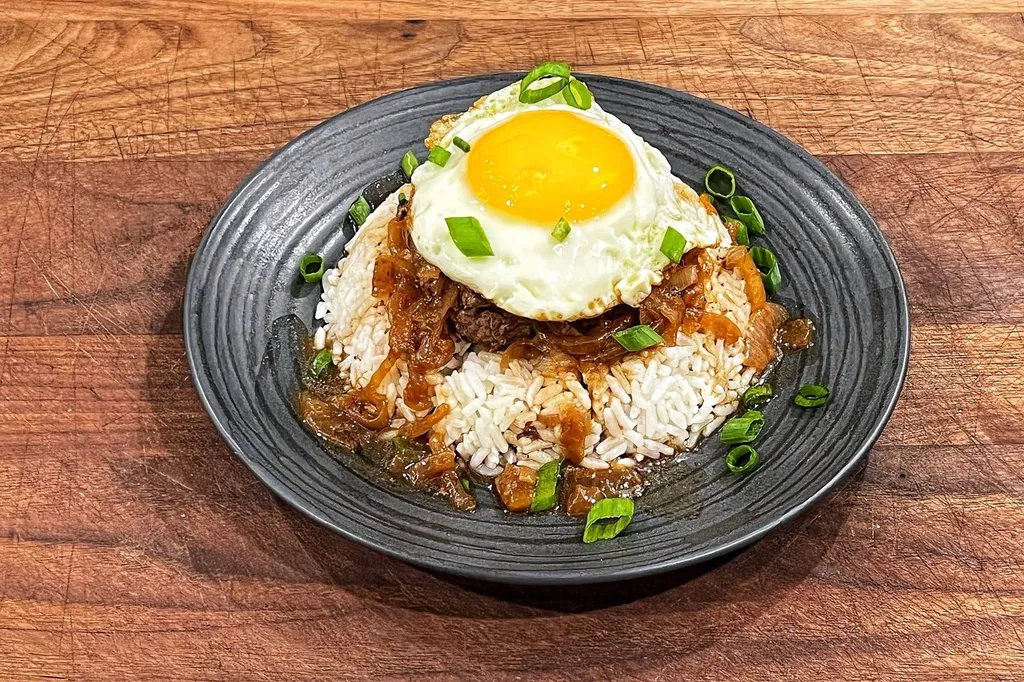
Loco Moco: Originating in Hilo in 1949 as a quick, affordable meal for local teens, loco moco has become one of Hawaii’s most beloved dishes. Featuring layers of white rice, a hamburger patty, and a sunny-side-up egg smothered in savory brown gravy. Served island-wide, this famously satisfying dish is enough to cause a kanak attack (Hawaii’s term for a food-induced sleep coma).
Desserts the Locals Love
Butter Mochi: A beloved local dessert rooted in Hawaii’s multicultural plantation-era history, butter mochi combines Japanese mochiko rice flour with Filipino coconut rice cake traditions to create a uniquely local treat. With its soft, chewy texture, lightly crisp top, and rich coconut-vanilla flavor, it’s traditionally baked at home and has been served at family gatherings for generations.
Haupia: A classic Hawaiian dessert, haupia is a coconut milk pudding typically served chilled in firm, gelatin-like squares on ti leaves, with toppings such as macadamia nuts or toasted coconut. Nothing says Hawaii more than haupia.
Malasadas: A Portuguese treat from the Azores and Madeira, malasadas are a beloved Hawaiian favorite made from yeasted dough, deep-fried until golden and coated in sugar, sometimes filled with custard, fruit, or chocolate, and best enjoyed fresh and warm.
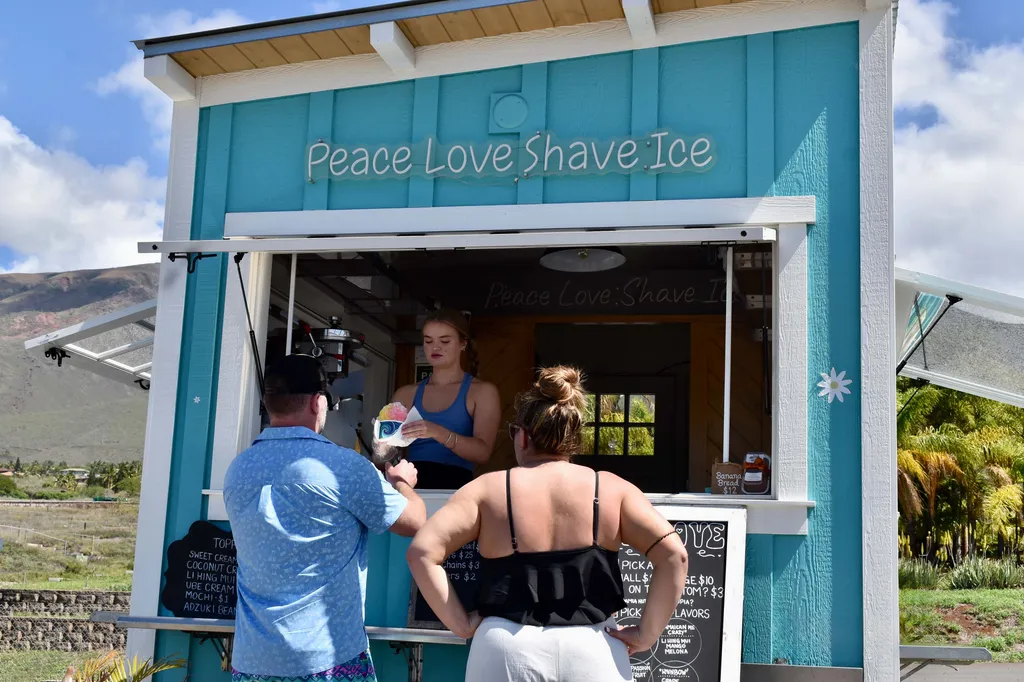
Shave Ice: One of Hawaii’s most iconic treats, shave ice is made by finely shaving a block of ice into a light, fluffy texture that absorbs vibrant fruit syrups rather than letting them settle at the bottom. Often topped with sweetened condensed milk, mochi, or a scoop of vanilla ice cream, this refreshing dessert is the perfect way to cool off after a day exploring Maui’s beaches, hiking trails, or scenic drives.
Where to Try Traditional and Local Hawaiian Food on Maui
Guests staying in Ka'anapali can easily sample many of these dishes at nearby restaurants or during a traditional Hawaiian luau before venturing out to local favorites around Kahului, Kihei, or Wailuku.
Aloha Mixed Plate (Lahaina)
True to its name, this Front Street restaurant serves classic plate-style meals, where a Hawaiian plate lunch is complemented by a spectacular oceanfront setting and island breezes.
Da Kitchen (Kihei)
One of Hawaii’s most recognized local restaurants, Da Kitchen serves generous, high-quality plate lunches featuring flavors from many cultures, with good vibes and the sweet taste of aloha.
Tin Roof (Kahului)
Owned by Chef Sheldon Simeon and his wife Janice, Tin Roof offers island-inspired comfort food made with locally sourced ingredients and a strong sense of community. It’s one of Maui’s most popular takeout spots, known for favorites like mochiko chicken, so expect a line and consider ordering ahead.
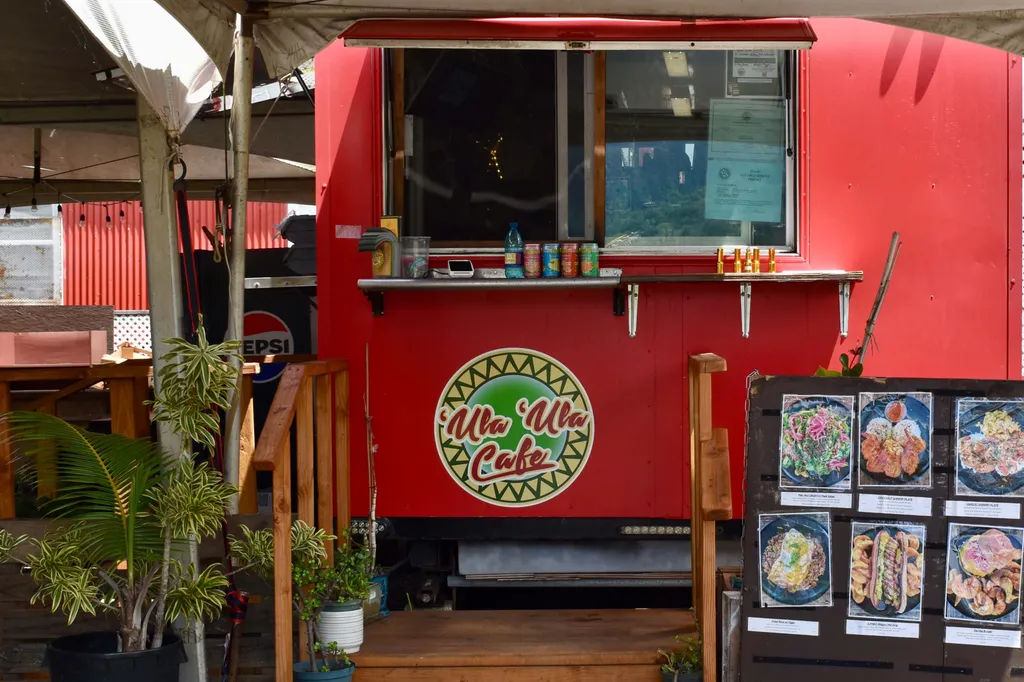
Ula’Ula Cafe (Wailuku)
Locally owned and operated, this food truck serves fresh, sustainable dishes from a diverse menu in a setting with a beautiful view. You can also pick up some fresh island fruit and local honey.
Sparky’s Food Company Restaurant (Kahului)
Born and raised on Maui, the founders of Sparky’s bring people together through community-driven values and a diverse menu of local Hawaiian and classic favorites. “Mom’s Noodle Mac Salad” is a staple side dish featuring a thinner noodle and a creamy, slightly sweet flavor that blends perfectly with savory plate lunch favorites. The ambience is authentically local, with Fridays dedicated to traditional Hawaiian dishes.
Tante’s Island Cuisine (Kahului)
Offering a wide variety of ethnic and local cuisine, owner Tante Urban invites guests to enjoy a globally inspired menu blending flavors from Hawaii, Asia, the Philippines, and Europe. A diverse menu with local favorites and full combo Hawaiian plate lunches.
Geste Shrimp Truck (Kahului)
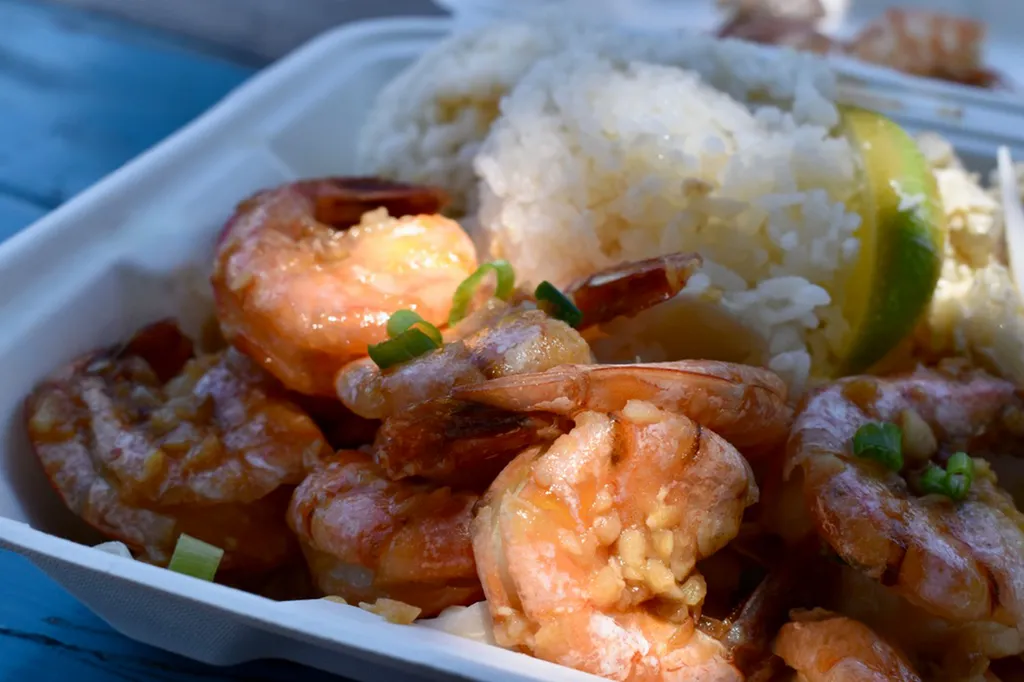
Located in the food truck lot across from Costco, Geste’s Shrimp Truck delights with bold, flavorful shrimp dishes that keep locals and visitors coming back for more. The Hawaiian Scampi, swimming in a sea of butter and garlic, is their most popular dish.
After you've sampled some of Hawaii's most iconic dishes, there's even more to discover across the island. From fresh seafood served just steps from the beach to casual food trucks and award-winning oceanfront restaurants, Maui offers unforgettable dining experiences for every palate. If you're looking for more recommendations on where to eat during your stay, be sure to explore our guide to the Top 10 Restaurants in Ka'anapali for even more local favorites near your Maui Resort Rentals vacation home.
Frequently Asked Questions
What is the difference between Hawaiian food and local food?
Hawaiian food refers specifically to the traditional dishes of the Native Hawaiian (Kanaka ʻŌiwi) people. This includes "canoe crops" brought by early Polynesian voyagers before 1778, such as taro, breadfruit, and sweet potato. Key traditional dishes include poi, laulau, kalua pig, and squid luau.
Local food is a "melting pot" of cuisines resulting from 19th-century plantation life. Immigrants from Japan, China, the Philippines, Portugal, and Korea shared their cooking styles, creating fusion staples like Spam musubi, loco moco, malasadas, and pipikaula.
Is Hawaiian food spicy?
Traditional Hawaiian food leans toward savory, sweet, and soy-based flavors, highlighted by ingredients like ginger, garlic, and sea salt. Rather than being spicy, Hawaiian cuisine favors rich, balanced flavor, with heat typically added on the side rather than built into the dish.
Do Hawaiians eat pineapple on pizza?
Despite its name, “Hawaiian” pizza wasn’t created in Hawaii but in Canada, making it more of a marketing invention than a true local dish. While some locals find the label amusing, it’s not reflective of Hawaii’s real food culture.
Is Shave Ice the same as a Snow Cone?
No. While both are frozen treats, shave ice is made by shaving a block of ice into a fine, fluffy, snow-like texture that absorbs syrup, whereas snow cones are made from crushed or ground ice, resulting in a crunchy, coarser texture where syrup pools at the bottom.
Why is Spam so popular in Hawaii?
Born from the necessity of wartime rations and fishing bans, Spam evolved from a shelf-stable survival food into a go-to Hawaiian staple.
What is a plate lunch?
A traditional Hawaiian plate lunch is a hearty, affordable island staple born from plantation-era roots, featuring rice, macaroni salad, and a flavorful main that reflects Hawaii’s diverse culinary heritage.
When visiting Hawaii, you’ll be surrounded by a diverse mix of flavors, from well-known favorites to local dishes you may be trying for the first time. Experiencing new foods is more than just eating well; it’s one of the most meaningful ways to connect with the islands’ culture.
When you’re looking for a central home base on Maui, consider Maui Resort Rentals, where you’ll find a wide selection of fully equipped, luxury beachfront condos. We’d be delighted to host you on your next visit and food adventure.